

God is actually real.
He actually loves you.
And this changes everything about how you should live your life—for the better.
These three sentences might be the easiest statements to deny or forget about Christianity. From the most ardent atheist to the most devout Catholic, every single person needs to hear these bare-bones, basic facts and believe them in the depths of his or her heart. These three statements are, of course, not sufficient on their own to describe what it means to be a Christian (we haven’t even mentioned Jesus yet!), but one can be very knowledgeable about Christianity and still not believe them. We can only fully embrace these truths by the virtue of faith, which is a gift from God.
But by identifying these truths, we have a tool for evangelization; a place from which we can encounter people right where they are at, in the midst of their doubts and questions. Here are some considerations about what each of these truths entail, and how we might communicate them to the world:
God is actually real.
Going to church is not just about being a good person or feeling good. The God we praise and tell stories about is as real as you or I—is more real, in fact. Whether or not you know or feel that he is there, God really is there. He created the world and he created you. He knows everything and he can do everything. He is with you every second. He knows what will make you happy, and he knows what will make you miserable.
God actually loves you.
God actually wants you to be happy. He wants you to be free. He wants you to live life in a communion of love with others, especially with himself. God doesn’t want you to be miserable—so much so that he tells us what to do and not to do so that we can be happy and not be miserable.
This changes everything about your life . . .
How we live, what we do, matters. We make choices that have the power to make ourselves happy or to make ourselves miserable. God created us to share in his own infinite, eternal blessed life (CCC 1), which means that we can’t settle for mediocrity. We are made for greatness, for holiness—and this requires sacrifice and perseverance. Living for a blessed life with God in heaven means we know that we are not promised perfect happiness on earth. If times are hard, we have the reassurance, the hope, that we will be okay when all is said and done. And every single person is capable of living this way. Holiness—following God’s commands, “being super religious,” however you might say it—does not just “work for some people.” God loves and calls everyone to share in his blessed life, so holiness is possible for everyone.
. . . for the BETTER.
If God is actually real and he actually loves us, then the life he invites us to live is the best thing for us. The high demands of God and his Church, the sufferings we may experience in this life, are actually worth it because they will make us happy. When we think something makes us happier than God, we are settling for so much less than we are made for. Anything we may feel like we are giving up is nothing compared to what God offers.
So whether you’re talking to your agnostic friend, or thinking about your relative who left the Church, or helping an OCIA candidate wrestle with Church teaching, consider which of these truths they might be struggling with, and meet them right there.
But this back-to-basics reflection isn’t just for those on their way into the Church, but for the faithful as well—how many devout souls have you met who believe God is real and that their life needs to change, but deep down don’t really believe that God loves them? How many lukewarm Christians believe that God is real and that he loves them, but struggle to accept that their lives need to transform?
So when you, reader of Dominicana, struggle with Church teaching, or your own belief, or with some deep hurt—know that you are not alone, and take these three sentences to prayer. Are you struggling with any of these basic truths? It may be easier than you think to forget one. Ask God for faith—only he can give it to you. For, as we know, “ask, and it will be given you; seek, and you will find; knock, and it will be opened to you” (Matt 7:7).
✠
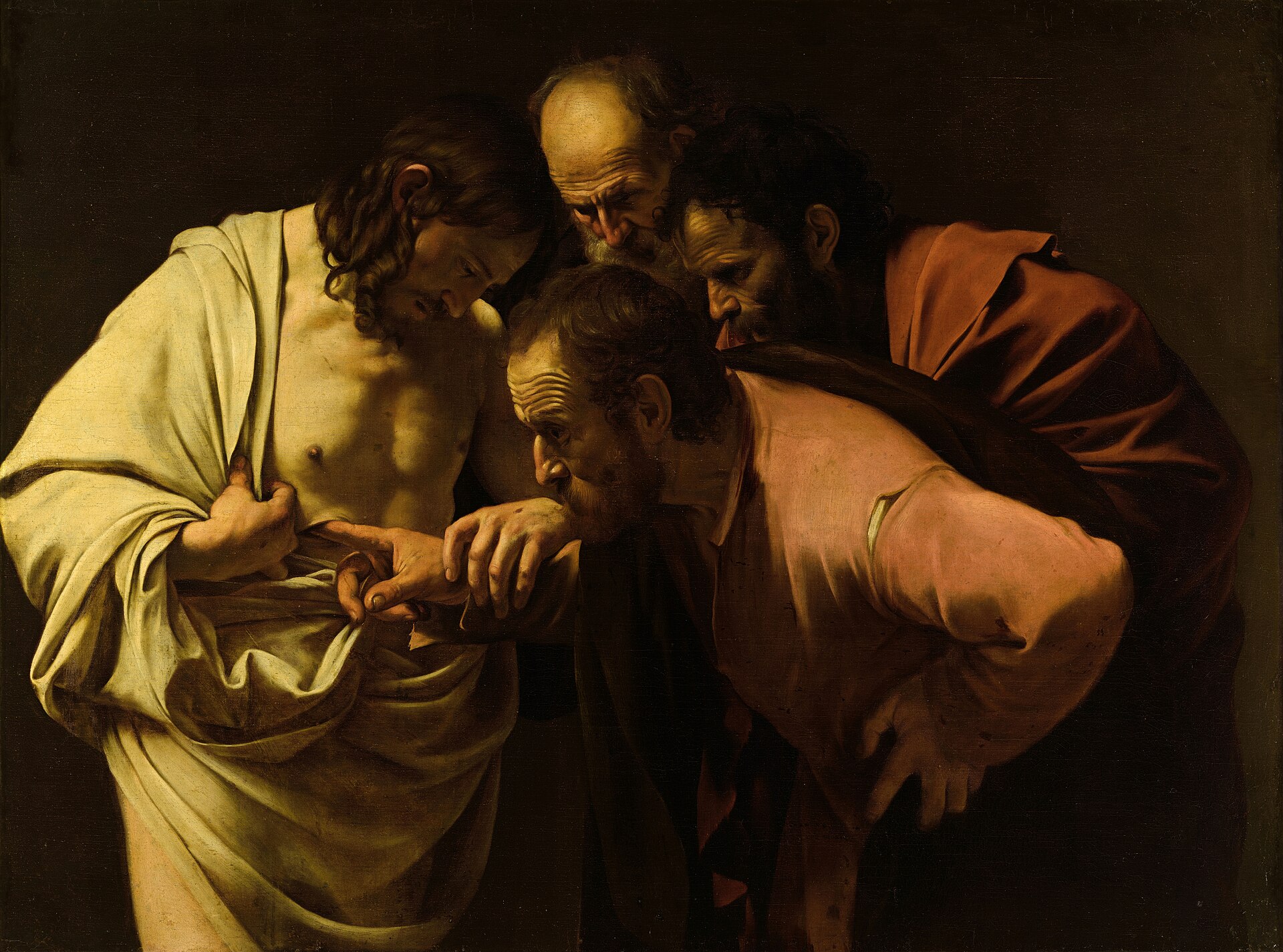
Image: Caravaggio, The Incredulity of Saint Thomas